
NEWS FROM RIGHT HERE
June 10, 2026
When Location Becomes a Business Lever
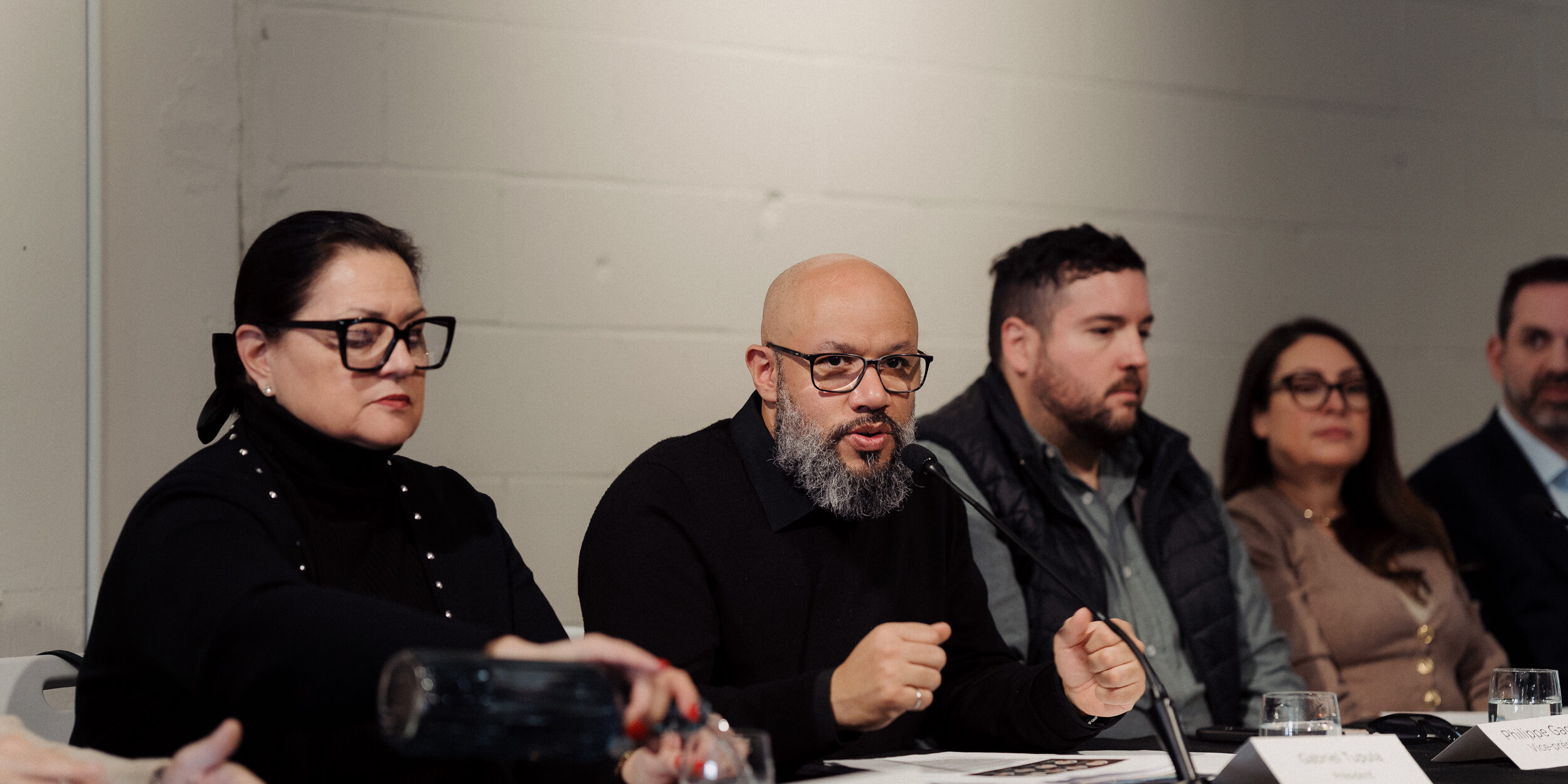
What if your location became a competitive advantage as strategic as your talent or technology?
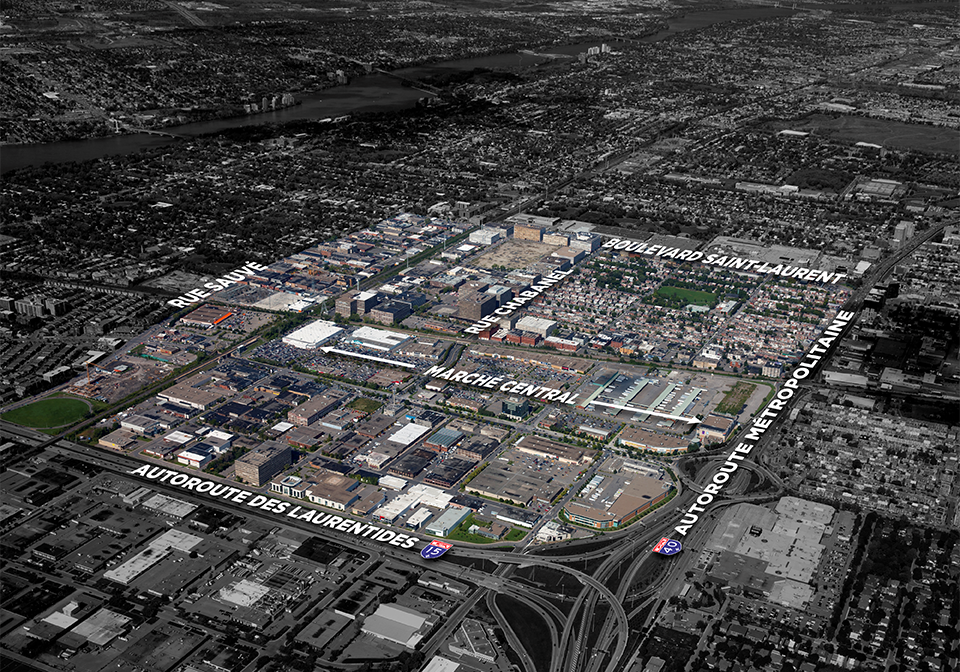
When Gabriel Tupula set up his company in District Central in 2009, the building he chose to occupy was nearly empty. Few restaurants, little activity, and few tech startups dared to bet on this little-known industrial zone. Yet, the entrepreneur already saw a wealth of opportunity there.
"You wanted good square footage in Montreal, at half the price, with immense potential? That was it," sums up the founder and CEO of Big Bang, who is also the chairman of the board of directors of the SDC District Central.
Ten years after the creation of the SDC, the environment has changed profoundly. Developed public spaces, gathering places, signage, networking events, and landscaping initiatives have progressively transformed the experience of the sector. Beyond these improvements, the District Central above all illustrates an increasingly strategic idea for businesses: territory directly influences competitiveness.
An Unrecognized Potential Turned Strategic
When he arrived, Gabriel Tupula was primarily looking for a place that could accommodate a growing technology firm. The large industrial buildings, open floor plans, and flexibility of the spaces perfectly met his needs.
At the time, however, you had to believe in the area's potential for successful development. "When we took the offices, the building seemed almost empty. You really had to believe in the potential of this sector," he recalls.
Soon, however, he observed a natural diversification of the companies moving in. Tech services, manufacturing, retail, and creative industries—the area gradually attracted organizations with varied profiles.
For Gabriel Tupula, this mix is now one of the greatest strengths of the District Central. "I believe immensely in diversification. That’s what makes a neighborhood resilient."
Location as a Competitive Advantage
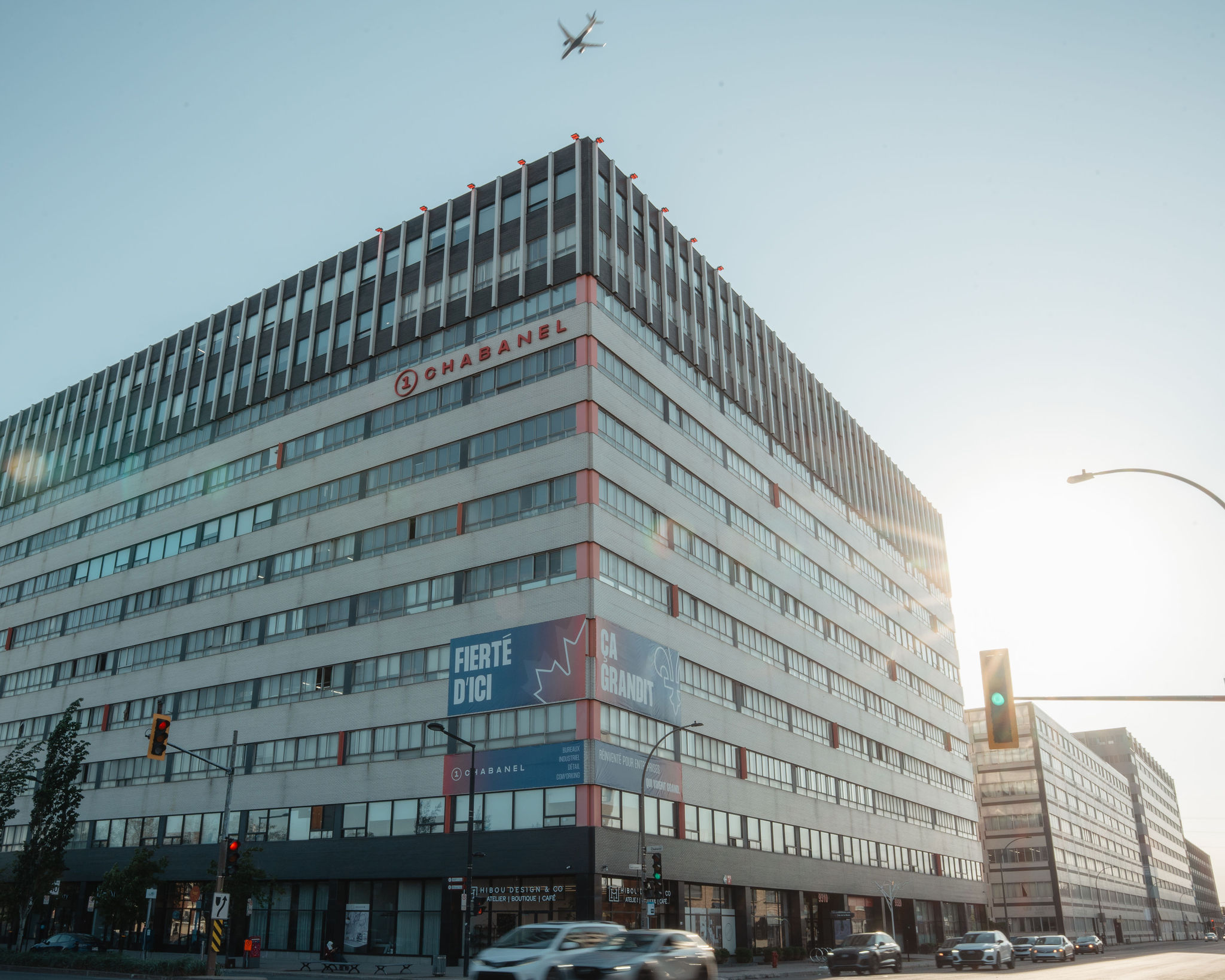
Over the years, his perception of the neighborhood evolved. The space stopped being just an advantageous location and became a true business lever.
In the digital services sector, where attracting and retaining talent are major challenges, the neighbourhood environment has now taken on strategic importance. The location of the District Central, at the intersection of major highways and accessible by various modes of transportation, has become a major asset.
"Having an enriching, diversified, and inspiring neighbourhood environment has become an undeniable asset," he emphasizes.
This transformation is also reflected in the developments completed over the past few years. La Prairie Louvain, l’Esplanade Louvain, greening initiatives, wayfinding signage, and community meeting spaces are gradually helping to create a stronger local identity.
Driven by the SDC, these interventions are part of a structured vision for the area's development, notably through the Plan Signature.
For businesses, these initiatives go beyond a simple question of aesthetics. They help make the neighborhood more attractive to employees, clients, and business partners.
Mobility: The Ongoing Challenge
While there has been progress, Gabriel Tupula considers mobility to be the primary challenge facing the District Central today.
In his view, traffic flow and urban logistics directly influence operational efficiency for manufacturing companies and service organizations alike.
However, he stresses the importance of maintaining a balanced approach between different modes of transportation. "It is not desirable to have a collision between a cyclist and a 53-foot truck, and it isn't ideal for delivery drivers either," he illustrates, referring to some of the more recent redevelopments.
For him, these challenges do not call into question the future of the sector. Rather, they represent problems to be solved collectively to support its long-term development.
A Collectively Driven Transformation
Beyond infrastructure, Gabriel Tupula attributes a large part of the District Central’s transformation to the mobilization of the business community.
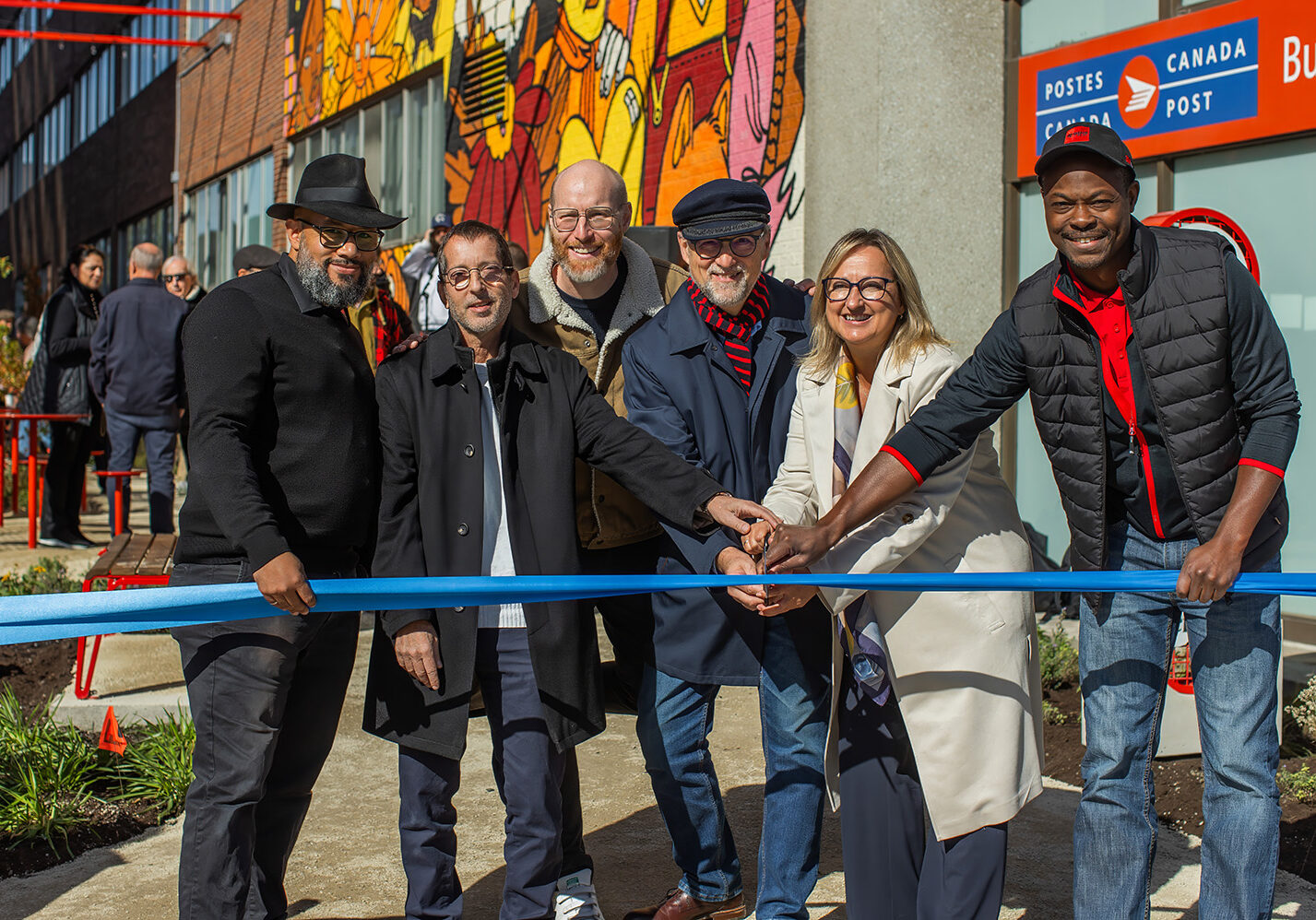
He describes the SDC as a true catalyst, capable of creating connections between businesses, institutional partners, and local stakeholders. Networking activities, outdoor events, and collaborative efforts have progressively strengthened the sense of belonging to the neighborhood.
"It is better to be part of the solution than to stay in the stands," he asserts.
In the coming years, he hopes to see the District Central continue its evolution as a diversified, attractive, and resilient economic hub. "The organic success of a truly thoughtful and resilient economic sector."
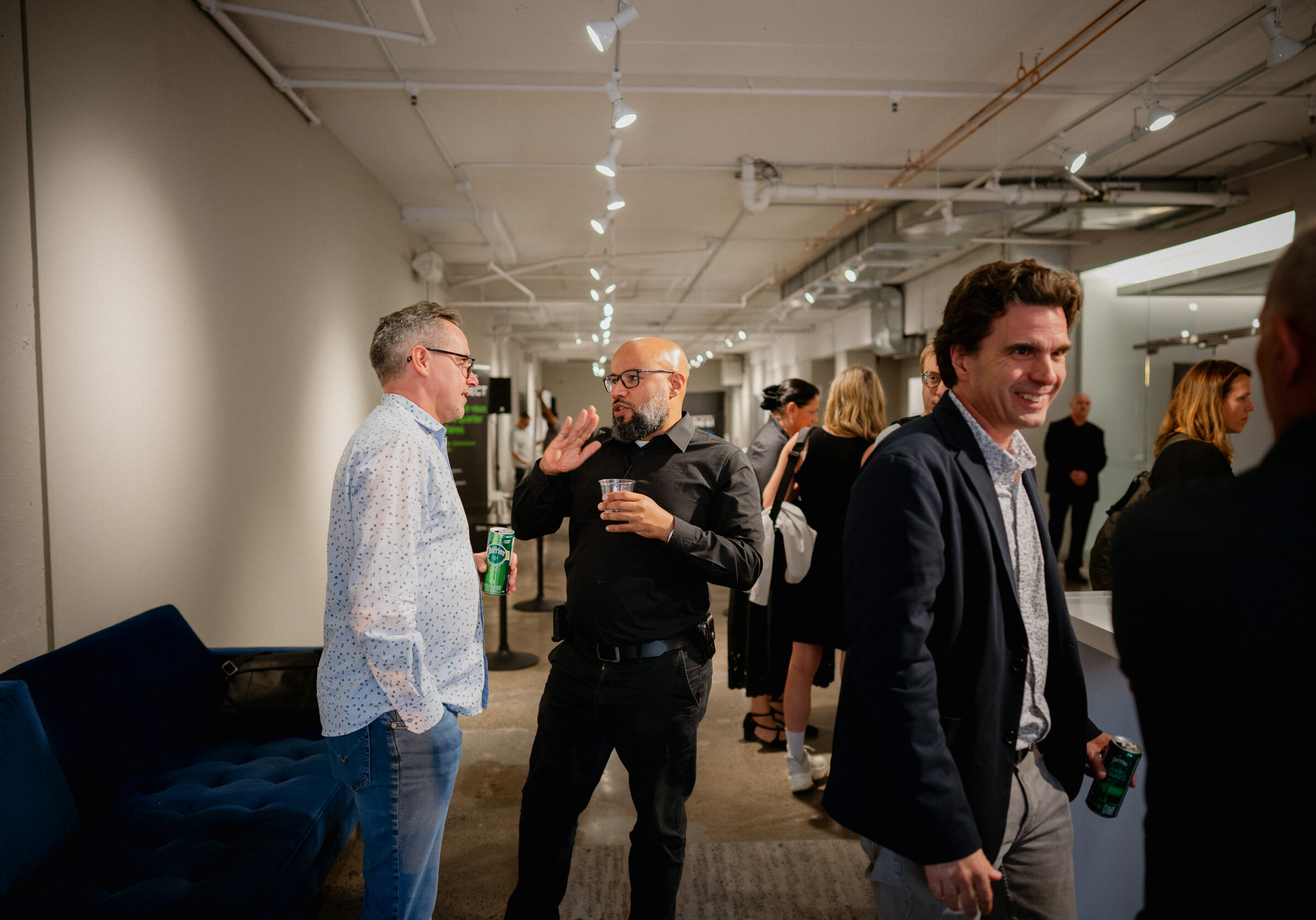
Source : Les Affaires – Partner Content
This article is an adaptation of an original text written by Les Affaires Partner Content and published in Les Affaires.
Read the original article
Recap of the 2027 BGA – Highlights and Outlook
On September 23, the SDC held its annual Budget General Assembly (BGA), an important gathering for the business community. It was an opportunity to look back on the work carried…
Read More

The Fermes en Ville Banquet: Bringing District Central’s Harvests to the Table
An Evening Where Urban Farms Were the Real Stars On September 9, as part of the second edition of Fermes en ville, Esplanade Louvain was transformed into a large open-air…
Read More